
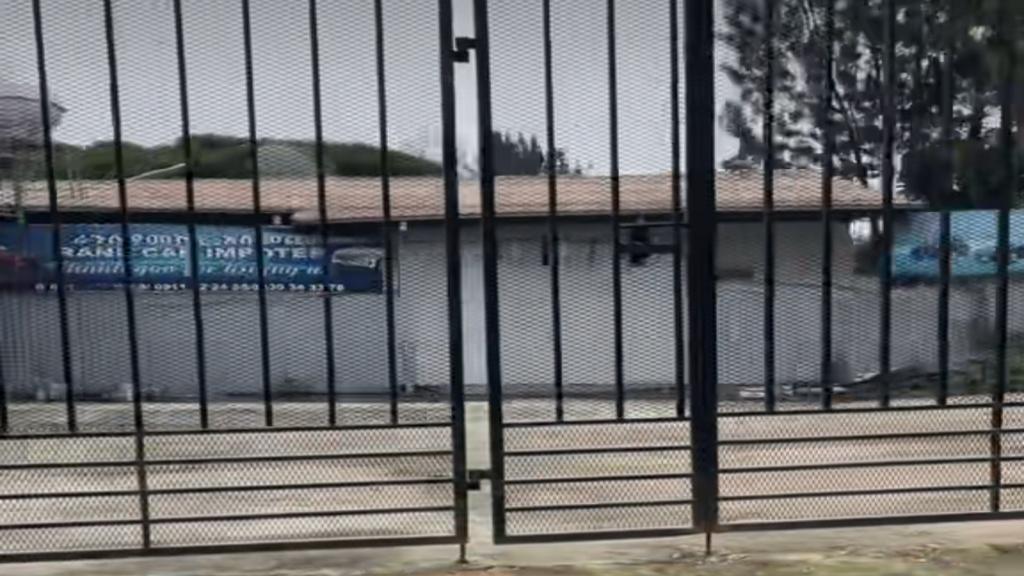
Brokers must remove third-party vehicles from unauthorised premises, disrupting the capital’s display-based car market.
ADDIS ABABA — Authorities are strictly enforcing rules that allow only licensed vehicle importers and dealers to store, display and sell vehicles from registered showrooms, leaving many broker-operated premises across the capital partly or completely empty.
Under the enforcement action, brokers, commission agents and sub-dealers cannot obtain vehicles from importers or owners and keep them at their own premises for display and sale unless they hold the required dealership licence and showroom authorisation.
Brokers may continue connecting buyers with vehicle owners and licensed dealers and may earn authorised service fees. However, keeping third-party vehicles on their premises could cause them to be treated as unlicensed dealerships rather than commission-based intermediaries.
The action does not prohibit vehicle brokerage or used-car sales. Instead, it separates brokerage activity from the storage, display and direct sale of vehicles—a business model reserved for authorised dealers operating from registered premises.
Showrooms begin clearing vehicles
Many businesses that previously displayed vehicles supplied by importers, individual owners or other dealers have started removing them from their premises. The change is reducing the number of vehicles physically available for customers to inspect and compare in one location.
The authorities have linked the enforcement to existing tax and business rules, including the Federal Income Tax Proclamation No. 979/2016 and the Value Added Tax Proclamation No. 1341/2024.
The enforcement is intended to ensure that vehicle sales take place through registered businesses, improve transaction traceability and reduce the risk of taxable dealership activity being conducted under a brokerage licence.
The number of affected showrooms and vehicles has not been officially disclosed.
Sales could slow as vehicle visibility declines
The immediate market impact could be lower showroom traffic and fewer completed transactions. Addis Ababa’s vehicle market has traditionally relied heavily on physical display yards, where buyers can inspect several vehicles and negotiate with brokers.
Removing vehicles from broker-operated premises reduces that visibility and may make the buying process less convenient. Smaller brokers without the capital or qualifications required to obtain dealership licences could lose business, while licensed importers and established dealers may receive a larger share of customer traffic.
Online marketplaces, direct owner-to-buyer transactions and appointment-based inspections could become more important if strict enforcement continues.
Price direction remains uncertain
The change could place downward pressure on some asking prices if owners lose access to established display locations and become more willing to accept discounts for faster sales. Reduced transaction volumes could also weaken sellers’ bargaining power.
However, a broad decline in vehicle prices is not guaranteed. Concentrating inventories among fewer licensed dealers could reduce competition between sellers, while relocation, storage and compliance costs may be reflected in final prices.
The clearest short-term effect is therefore likely to be lower physical inventory in broker showrooms and slower sales activity rather than an immediate market-wide price reduction.
Importers, dealers and brokers will now need clearer guidance on licensing eligibility, vehicle custody, commission arrangements and whether brokers can organise off-site inspections without being classified as dealers.